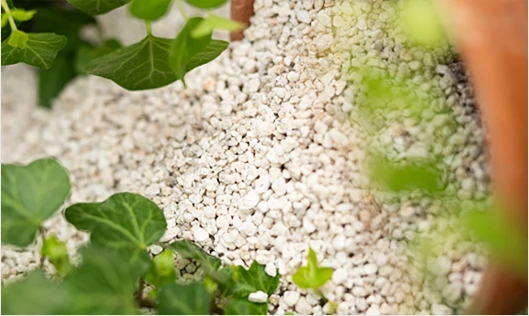
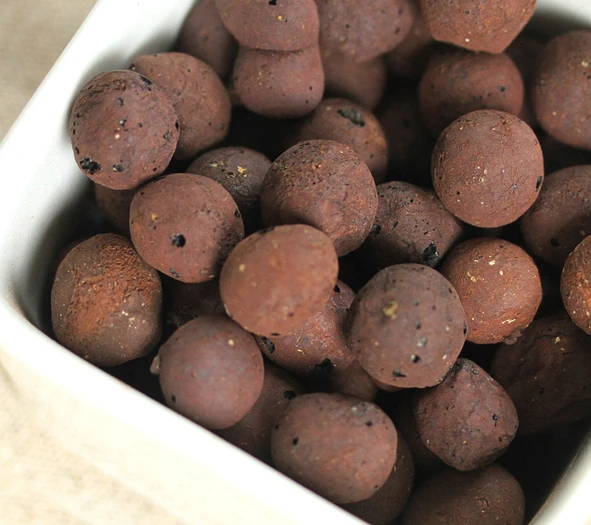
plants in leca balls
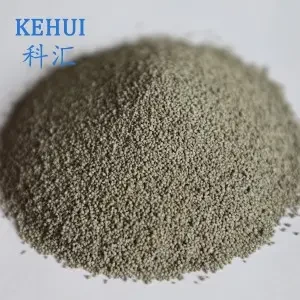
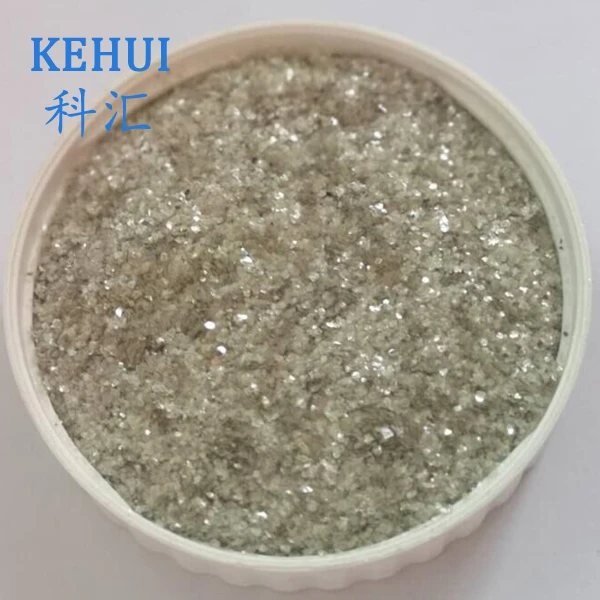
In the rapidly evolving landscape of professional horticulture and controlled environment agriculture, the selection of superior plant growing media is paramount to achieving optimal crop health and yield. Among the most versatile and effective components available, Expanded golden Vermiciulite for plant growing media stands out. This mineral, renowned for its exceptional physical and chemical properties, plays a critical role in supporting robust plant development, from seed germination through mature growth. Kehuimica’s meticulously processed golden vermiculite offers a consistent, high-performance solution for B2B stakeholders, including commercial growers, agricultural engineers, and horticultural suppliers seeking to enhance their cultivation practices and product offerings. Its unique characteristics contribute significantly to improved water retention, aeration, and nutrient buffering, critical factors in modern plant propagation and growth systems. Manufacturing Process Flow of Expanded Golden Vermiculite The production of high-quality Expanded golden Vermiciulite for plant growing media is a precise, multi-stage industrial process that transforms raw vermiculite ore into a lightweight, highly porous material suitable for horticultural applications. Kehuimica adheres to stringent quality control measures throughout each step to ensure product consistency and superior performance. Product Materials and Origin Our expanded golden vermiculite originates from select, high-purity vermiculite ore deposits, primarily hydrous phyllosilicate minerals. These raw materials are carefully sourced to ensure minimal impurities and optimal expansion characteristics. The "golden" designation refers to the distinct golden-brown hue acquired after thermal exfoliation, indicative of its high quality and purity, which also reflects its superior mineralogical composition compared to darker, lower-grade alternatives. Manufacturing Processes Mining and Crushing: Raw vermiculite ore is carefully extracted from the earth and then subjected to primary crushing to reduce it to manageable sizes, preparing it for subsequent processing. Screening and Classification: The crushed ore undergoes a rigorous screening process to separate particles into specific size fractions. This ensures a uniform starting material for the exfoliation stage, critical for consistent expansion. Exfoliation (Thermal Expansion): This is the core process. The classified vermiculite flakes are fed into specialized industrial furnaces operating at temperatures typically between 800°C and 1000°C (1472°F to 1832°F). The rapid heating causes the interlayer water in the vermiculite structure to flash into steam, forcing the layers apart. This results in a dramatic expansion of the flakes (up to 8-20 times their original volume), transforming them into lightweight, accordion-like granules with a characteristic golden luster. This controlled thermal treatment ensures sterility and eliminates any organic contaminants or pathogens. Cooling: The hot, expanded vermiculite is then rapidly cooled to stabilize its structure and prepare it for further handling. Final Screening and Grading: Post-expansion, the material is screened again to ensure precise particle size distribution, producing different grades (fine, medium, coarse) tailored for various horticultural applications. Packaging: The finished product is then packaged into various formats, from bulk bags to smaller consumer-grade sacks, ready for distribution. Testing Standards and Quality Assurance Kehuimica's commitment to quality is underpinned by adherence to rigorous testing standards. Our expanded golden vermiculite undergoes comprehensive quality checks, including: Particle Size Analysis: Ensuring compliance with specified grade ranges (e.g., ASTM C516 for vermiculite aggregates). Bulk Density: Measuring the lightweight nature and consistency of the expanded product. Water Holding Capacity (WHC): Quantifying its ability to retain moisture. Cation Exchange Capacity (CEC): Assessing its nutrient retention capabilities. pH Value: Verifying its near-neutral pH for broad compatibility with plant types. Sterility Test: Confirming the absence of pathogens, weeds, and pests. Our manufacturing facilities often operate under ISO 9001 certified quality management systems, guaranteeing consistent product quality from batch to batch. This commitment ensures that Kehuimica's vermiculite provides reliable performance in critical applications. Service Life and Target Industries Due to its inert mineral composition and resistance to degradation, expanded vermiculite boasts an exceptionally long service life within growing media, often outlasting organic components. Its primary target industries include: Commercial Horticulture: Nurseries, greenhouses, and landscape professionals utilizing it in potting mixes and soil amendments. Agriculture: Specialty crop production, seed starting, and soil conditioning. Hydroponics and Aeroponics: As a substrate component offering aeration and moisture retention. Research and Development: Controlled environment studies requiring sterile, inert media. In typical application scenarios, such as high-density seedling trays, the advantages are clear: enhanced germination rates due to consistent moisture and temperature, reduced transplant shock thanks to strong root development, and minimized disease risk due to the sterile nature of the medium. These benefits directly translate to improved resource efficiency and higher crop yields, critical for modern commercial operations. Industry Trends in Growing Media The horticultural sector is undergoing a significant transformation driven by technological advancements and evolving environmental considerations. Key trends include the surging growth of Controlled Environment Agriculture (CEA), vertical farming, and hydroponic systems, which demand specialized, high-performance growing media. There is an increasing focus on sustainable practices, leading to a preference for materials that are inert, reusable, or have a minimal environmental footprint. Precision agriculture also plays a pivotal role, requiring growing media components that offer consistent performance, predictable water and nutrient retention, and disease resistance. The demand for sterile, pathogen-free media is particularly high in seedling production and high-value crop cultivation, where crop loss due to disease can be financially devastating. As such, the adoption of professional-grade Expanded golden Vermiciulite for plant growing media is on the rise, recognized for its crucial role in creating optimized root environments that support these sophisticated cultivation methods. This material's ability to buffer nutrients and provide both aeration and moisture retention simultaneously addresses multiple challenges faced by commercial growers aiming for efficiency and higher yields. Technical Specifications and Parameters Understanding the precise technical parameters of Expanded golden Vermiciulite for plant growing media is crucial for its effective application in diverse horticultural systems. These specifications directly impact its performance in terms of water management, nutrient delivery, and root zone aeration. Kehuimica ensures that its product consistently meets or exceeds these critical benchmarks. Kehuimica Expanded Golden Vermiculite: Key Specifications Parameter Value/Range Significance for Plant Growth Bulk Density (loose) 90 - 150 kg/m³ (5.6 - 9.4 lb/ft³) Extremely lightweight, reducing stress on plants in container111s and making mixes easier to handle and transport. Water Holding Capacity (WHC) 300 - 500% by weight Excellent moisture retention, reducing irrigation frequency and preventing desiccation, crucial for seedlings. Cation Exchange Capacity (CEC) 80 - 150 meq/100g High capacity to retain essential plant nutrients (cations like K+, Ca2+, Mg2+) and release them on demand, preventing leaching and providing nutrient buffering. pH Value 6.0 - 9.0 (typically 7.0 - 8.5) Near-neutral pH provides a stable environment, suitable for a wide range of plants and helps buffer against extreme pH changes. Particle Size Distribution Fine (0.5-1.5mm), Medium (1-4mm), Coarse (2-8mm) Versatile grading allows customization for specific applications, ensuring optimal aeration and drainage for different plant stages. Moisture Content < 5% Ensures product is dry, free-flowing, and ready for blending, minimizing issues with clumping or excess weight. Sterility Pathogen, weed seed, and insect-free Crucial for seedling propagation and sensitive crops, preventing disease introduction and promoting healthy growth. These detailed specifications underscore the superior engineering and natural advantages of Kehuimica's expanded golden vermiculite, making it an indispensable component for professional growers who prioritize precision and efficiency in their operations. Application Scenarios The unique properties of expanded golden vermiculite make it exceptionally versatile across numerous horticultural and agricultural applications, enhancing plant performance and simplifying cultivation practices for commercial enterprises. Seedling Germination and Propagation: Fine and medium grades of vermiculite are ideal for seed starting. Its sterile nature, excellent water retention, and thermal insulation create a stable microenvironment, promoting rapid and uniform germination, strong root development, and reducing damping-off disease. Potting Mixes: As a vital component in soilless potting mixes, vermiculite is commonly blended with peat moss, coco coir, or perlite. It significantly improves the mix's water-holding capacity, nutrient retention, and aeration, providing an optimal balance for vigorous plant growth in container111s. Hydroponic Systems: Coarser grades can be used as a standalone or blended substrate in hydroponic systems, particularly for drip irrigation or recirculating systems. Its inertness and ability to hold nutrient solutions while still allowing aeration are highly beneficial for root health. Soil Conditioning and Improvement: When incorporated into garden beds or landscape areas, vermiculite improves the structure of heavy clay soils by increasing aeration and drainage, and enhances the water and nutrient retention of sandy soils. Rooting Cuttings: Providing a sterile, moist, and well-aerated medium, vermiculite is excellent for rooting plant cuttings, minimizing rot and encouraging rapid root formation. Container Planting and Green Roofs: Its lightweight nature makes it a preferred choice for large container111s, hanging baskets, and green roof substrates, where weight is a significant design consideration. Bulb Storage: Used to pack bulbs for winter storage, vermiculite provides insulation and maintains consistent moisture, preventing desiccation and protecting against fungal diseases. Each of these applications leverages vermiculite's unique attributes to optimize the root environment, reduce resource consumption (water, fertilizer), and ultimately, enhance crop productivity and quality. Technical Advantages of Expanded Golden Vermiculite Kehuimica's Expanded golden Vermiciulite for plant growing media offers a distinct suite of technical advantages that make it a superior choice for professional growers seeking to optimize plant health and yield. These benefits stem from its unique physical and chemical structure post-exfoliation. Exceptional Water Retention: Its accordion-like structure creates numerous internal capillaries that can hold vast amounts of water (up to 3-5 times its weight). This reduces watering frequency, conserves water resources, and ensures consistent moisture availability to plant roots without becoming waterlogged, mitigating the risk of root rot. Superior Aeration Properties: Despite its water retention, vermiculite's expanded form ensures excellent porosity and air-filled pore space. This critical feature provides ample oxygen to the root zone, preventing anaerobic conditions and promoting healthy root respiration, essential for nutrient uptake and overall plant vigor. High Cation Exchange Capacity (CEC): Expanded vermiculite possesses a naturally high CEC, allowing it to chemically attract and hold positively charged nutrient ions (cations) like potassium, magnesium, and calcium. These nutrients are then slowly released to the plant roots as needed, acting as a nutrient buffer that minimizes leaching and maximizes fertilizer efficiency. This translates to reduced nutrient waste and more consistent plant nutrition. Sterile and Inert: The high-temperature exfoliation process renders vermiculite completely sterile, free from pathogens, weed seeds, insects, and other organic contaminants. This significantly reduces the risk of disease transmission and weed competition, especially critical in sensitive propagation and high-value crop production environments. Its inert nature also means it doesn't decompose, maintaining its structural integrity and benefits over long periods. Lightweight and Easy to Handle: Its very low bulk density makes potting mixes lighter, reducing labor costs associated with handling and transport, and making finished products more appealing for consumers. This is particularly advantageous for large-scale commercial operations and green roof applications. Stable pH: With a near-neutral pH (typically 7.0-8.5), vermiculite helps buffer the growing medium against extreme pH fluctuations, providing a stable environment suitable for a broad spectrum of plant species. This pH stability is invaluable for maintaining nutrient availability. Excellent Thermal Insulation: The trapped air within its expanded structure provides insulating properties, protecting plant roots from extreme temperature changes. This is beneficial for early-season propagation, protecting seedlings from cold snaps, and buffering against heat stress in warmer climates. These combined advantages position Kehuimica’s expanded golden vermiculite as a premier choice for growers focused on maximizing plant health, optimizing resource utilization, and ensuring consistent, high-quality yields. Vendor Comparison: Kehuimica vs. Other Media When selecting a growing media component, a comprehensive comparison is essential for B2B decision-makers. Kehuimica's Expanded golden Vermiciulite for plant growing media distinguishes itself through superior quality and performance benchmarks compared to generic vermiculite and other common alternatives like perlite, coco coir, and peat moss. Comparative Analysis of Growing Media Components Feature Kehuimica Golden Vermiculite Generic Vermiculite Perlite Coco Coir Peat Moss Water Retention Excellent (300-500% by wt) Good (200-400% by wt) Low (Minimal) Good (300-600% by wt) Excellent (800-1000% by wt) Aeration/Porosity Very Good (Stable) Good Excellent (High) Good Fair (Compacts) Cation Exchange Capacity (CEC) High (80-150 meq/100g) Medium (60-100 meq/100g) Very Low (<5 meq/100g) Medium (50-100 meq/100g) Medium-High (70-150 meq/100g) pH Range Neutral (7.0-8.5) Neutral (6.5-8.0) Neutral (6.5-7.5) Slightly Acidic (5.5-6.5) Acidic (3.5-4.5) Sterility Sterile (Post-Exfoliation) Sterile (Post-Exfoliation) Sterile Variable (Can contain pathogens if not treated) Variable (Can contain pathogens) Durability/Decomposition Extremely Durable, No Decomposition Durable, No Decomposition Extremely Durable, No Decomposition Moderate Decomposition (3-5 years) Slow Decomposition (5-10 years) This comparison highlights Kehuimica’s expanded golden vermiculite as a superior all-rounder, particularly excelling in simultaneous water and nutrient retention coupled with excellent aeration. While perlite offers superior aeration, it lacks water and nutrient holding capacity. Coco coir and peat moss are organic, thus prone to decomposition and potential pathogen issues, requiring more complex management. Kehuimica's commitment to consistent purity, evident in the "golden" quality, minimizes variability often found in generic products, ensuring predictable and reliable performance for high-stakes commercial cultivation. Customized Solutions Recognizing the diverse and specific requirements of the B2B horticultural market, Kehuimica offers comprehensive customized solutions for Expanded golden Vermiciulite for plant growing media . Our technical expertise allows us to tailor products to meet unique operational demands and crop-specific needs. Custom Particle Size Blends: Beyond standard fine, medium, and coarse grades, we can engineer specific particle size distributions to optimize water retention, aeration, and drainage for particular crops or growing systems (e.g., precise blends for specific hydroponic systems or deep-rooting plants). Tailored Packaging Options: From large industrial bulk bags (e.g., 1 cubic meter or 2-ton bags) designed for efficient automated mixing lines to smaller, custom-branded bags for redistribution, we offer flexible packaging solutions to integrate seamlessly with your supply chain. Strategic Blending Partnerships: We collaborate with growing media manufacturers to develop proprietary mixes, integrating our vermiculite with other components (e.g., peat, coco coir, perlite) to achieve specific performance characteristics for specialized markets. Technical Consultation and Support: Our team of agricultural and material science experts provides in-depth consultation to help clients select the ideal vermiculite grade and blend for their unique cultivation challenges, optimizing usage and maximizing ROI. Logistical Optimization: We work with clients to optimize delivery schedules and logistics, ensuring just-in-time inventory management and minimizing storage costs. Kehuimica’s dedication to customized solutions ensures that our expanded golden vermiculite is not just a product, but a strategic component of our clients' success, perfectly aligning with their operational needs and cultivation goals. Application Case Studies The proven efficacy of Kehuimica’s expanded golden vermiculite is best illustrated through real-world application successes. These case studies demonstrate the tangible benefits delivered to our B2B partners across diverse horticultural segments. Case Study 1: Large-Scale Commercial Nursery – Optimized Seed Germination A major commercial nursery specializing in ornamental plant propagation faced challenges with inconsistent seed germination rates and early seedling vigor using traditional peat-based mixes. By incorporating Kehuimica's fine-grade expanded golden vermiculite at a 30% ratio into their seed starting mix, they observed remarkable improvements. Germination rates for sensitive species like petunias and impatiens increased by an average of 18%, and seedling emergence was 3-5 days faster. The superior water retention and thermal stability provided by the vermiculite led to more uniform moisture levels and warmer root zones, translating into stronger, healthier plugs ready for transplant earlier. Case Study 2: Hydroponic Lettuce Farm – Enhanced Nutrient Management A state-of-the-art hydroponic lettuce farm sought to improve nutrient delivery efficiency and reduce instances of nutrient lockout. By using a custom blend incorporating Kehuimica's medium-grade expanded golden vermiculite as a component in their rockwool block starter plugs, they leveraged its high CEC. This allowed the plugs to buffer nutrient solutions more effectively, minimizing nutrient fluctuations and maintaining a stable root zone pH. The farm reported a 12% reduction in fertilizer consumption per cycle and a measurable improvement in overall crop uniformity and leaf quality, resulting in higher market value per head of lettuce. Case Study 3: Urban Vertical Farm – Lightweight Substrate for High-Density Systems An urban vertical farm required an extremely lightweight yet high-performing substrate for its multi-tiered growing racks to minimize structural load. Switching to a soilless blend where Kehuimica's coarse-grade expanded golden vermiculite comprised 40% of the volume provided the ideal solution. The dramatic reduction in substrate weight (over 40% lighter than their previous mix) allowed them to increase their growing density without exceeding structural limits. Furthermore, the excellent aeration and water retention of the vermiculite ensured optimal growth conditions for various leafy greens and herbs, maintaining high yields in a space-constrained environment. These instances demonstrate Kehuimica’s commitment to providing high-performance solutions that translate directly into operational efficiencies and enhanced profitability for our partners, solidifying our reputation as a trusted supplier of advanced horticultural media. Frequently Asked Questions (FAQ) Q1: What is the primary benefit of using expanded golden vermiculite in commercial potting mixes? A1: The primary benefits are its superior water retention capacity, excellent aeration, and high cation exchange capacity (CEC). These properties ensure consistent moisture availability, optimal oxygen supply to roots, and efficient nutrient buffering, leading to healthier, more vigorous plants and reduced irrigation/fertilization needs. Q2: Is Kehuimica’s expanded golden vermiculite suitable for organic cultivation? A2: Yes, our expanded golden vermiculite is a natural, inert mineral product that undergoes only thermal processing (exfoliation). It is free from chemical additives, pesticides, and other synthetic materials, making it fully compatible with most organic cultivation standards. Q3: How does vermiculite differ from perlite in terms of horticultural application? A3: While both are lightweight, sterile, and enhance aeration, their primary functions differ. Vermiculite excels at water and nutrient retention due to its layered structure and high CEC. Perlite, being more irregular and porous, primarily improves drainage and aeration and has minimal water or nutrient holding capacity. They are often used together to achieve a balanced growing medium. Q4: What are the typical blending ratios for expanded vermiculite in potting media? A4: Blending ratios vary significantly based on the specific crop and application. For seed starting, ratios can be as high as 50-100% vermiculite. In general potting mixes, it's often used at 10-30% by volume alongside peat, coco coir, and perlite. Our technical team can provide tailored recommendations. Q5: What does the "golden" aspect refer to in Kehuimica’s product name? A5: The "golden" in our expanded golden vermiculite refers to the distinctive bright golden-brown color acquired after optimal thermal exfoliation. This color is indicative of high purity raw material and a properly controlled expansion process, distinguishing it from lower-grade, darker, or inconsistently processed vermiculite, and ensuring superior performance. Lead Time, Warranty, and Customer Support Lead Time and Fulfillment Kehuimica understands the critical nature of supply chain reliability in B2B operations. Our standard lead time for most orders of expanded golden vermiculite ranges from 7 to 14 business days, depending on order volume and specific customization requirements. We maintain robust inventory levels of raw materials and finished products to facilitate prompt fulfillment. For urgent or large-scale project requirements, expedited production and delivery options are available upon consultation with our sales team. We leverage an extensive logistics network to ensure efficient and timely delivery to your facilities globally. Product Warranty and Quality Assurance Kehuimica stands by the exceptional quality of our expanded golden vermiculite. We offer a comprehensive product warranty guaranteeing that our materials meet all specified technical parameters and are free from manufacturing defects. This warranty covers adherence to particle size distribution, bulk density, pH levels, and other agreed-upon specifications as detailed in our product data sheets. Our ISO 9001 certified processes and rigorous quality control measures ensure that every batch consistently performs to the highest industry standards, providing our clients with complete peace of mind. Dedicated Customer Support and After-Sales Service Our commitment to our clients extends far beyond the point of sale. Kehuimica provides dedicated customer support through experienced account managers who understand the nuances of horticultural applications. This includes: Technical Consultation: Expert advice on product selection, blending ratios, and application optimization. Order Tracking and Management: Real-time updates and proactive communication regarding your order status. Post-Sales Support: Assistance with any product-related queries, performance feedback, or troubleshooting needs. Responsive Communication: We pride ourselves on quick and effective communication to address all client inquiries promptly. Our goal is to forge long-term partnerships built on trust, reliability, and unparalleled product performance, ensuring that your investment in Kehuimica's expanded golden vermiculite consistently yields optimal results. Conclusion The strategic integration of high-quality Expanded golden Vermiciulite for plant growing media is indispensable for modern commercial horticulture, offering a compelling blend of water retention, aeration, and nutrient buffering capabilities. Kehuimica's commitment to superior raw material sourcing, stringent manufacturing processes, and comprehensive quality control ensures that our golden vermiculite delivers consistent, high-performance results across a myriad of applications, from delicate seed propagation to robust hydroponic systems. By leveraging its unique physical and chemical properties, B2B stakeholders can significantly enhance plant health, optimize resource utilization, and achieve higher, more consistent yields. Partnering with Kehuimica provides access not only to a premium product but also to tailored solutions and dedicated technical support, solidifying a foundation for sustained success in a competitive agricultural landscape. References Smith, T. and Jones, A. "The Role of Vermiculite in Horticultural Substrates: A Review." Journal of Horticultural Science and Biotechnology, 2021, Vol. 96, No. 3, pp. 301-310. Brown, L. "Nutrient Retention and Release Characteristics of Expanded Vermiculite in Soilless Culture." Acta Horticulturae, 2019, Vol. 1234, pp. 157-164. Food and Agriculture Organization of the United Nations (FAO). "Sustainable Soil Management for Food Security." FAO Land and Water Discussion Paper, 2018. United States Department of Agriculture (USDA) National Organic Program. "Guide for Organic Crop Producers." 2020.
-
0 YearEstablished in 1997
-
0Celia Mica Produced
-
0 ㎡Factory Floor Area
APPLICATION
-

-
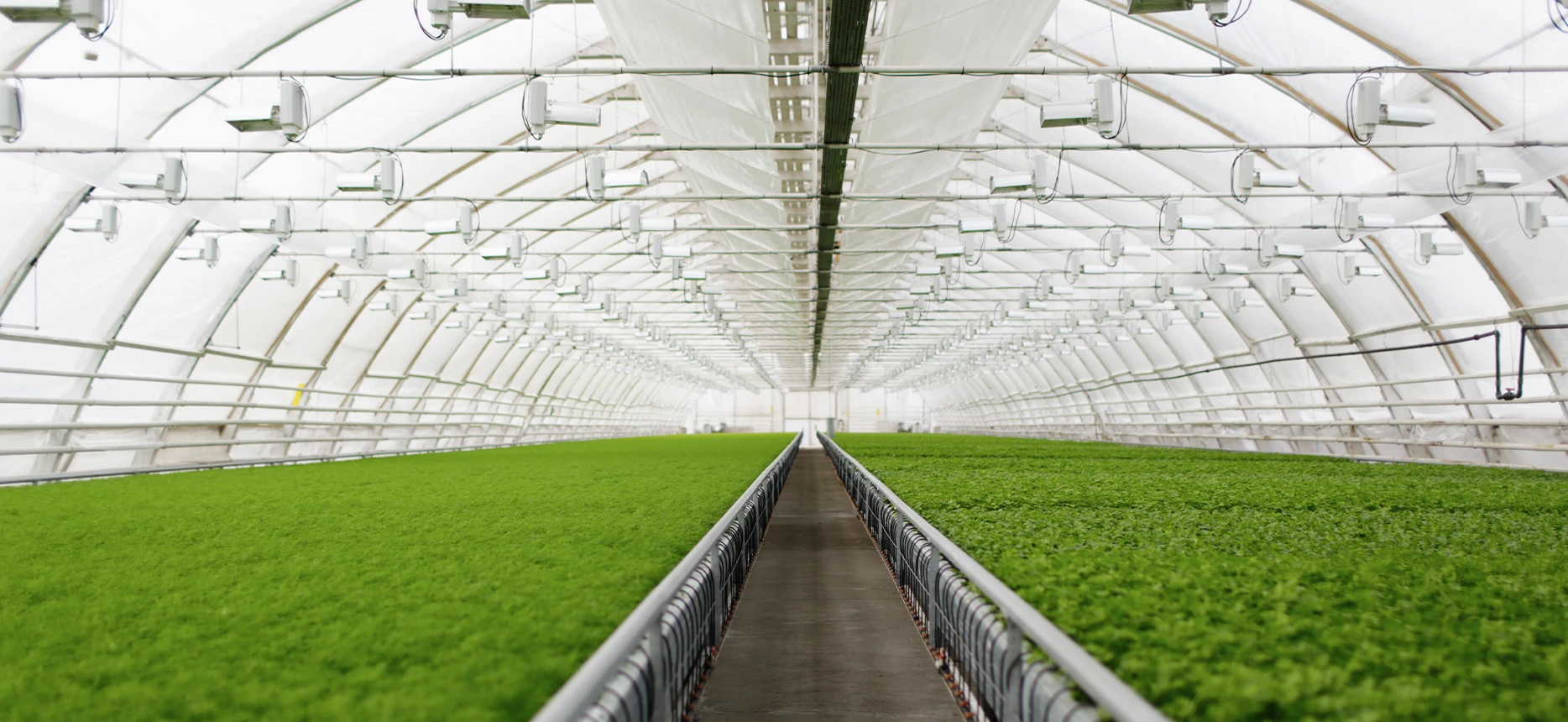
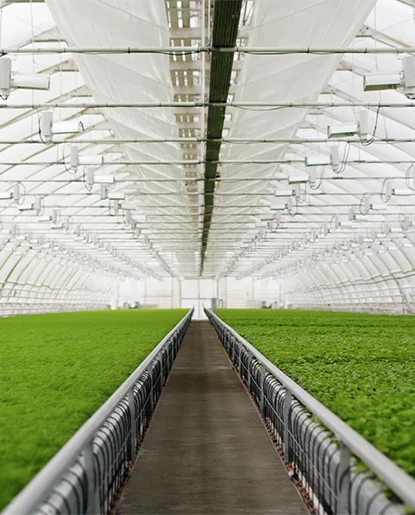
ApplicationHydroponics GardeningGrowing Mediums Gardening &Horticulture Hydroponics&Aquaponics Agricultur al&Greenhouse
-

-
ApplicationHydroponics GardeningGrowing Mediums Gardening &Horticulture Hydroponics&Aquaponics Agricultur al&Greenhouse
 Industrial
Minerals
Industrial
Minerals
 Hydroponics
Gardening
Hydroponics
Gardening